Terroir & Table
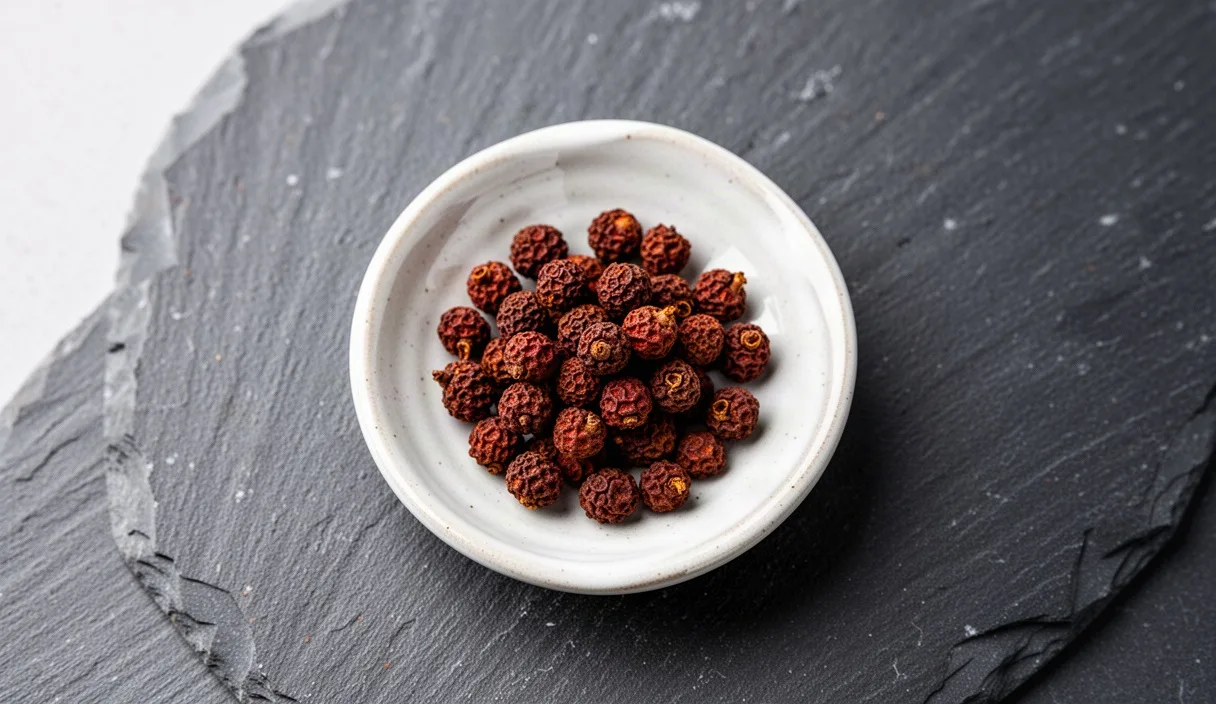
How to Source and Cure Whole Szechuan Peppercorns
Regional Pantries10 min read

How to Source and Cure Whole Szechuan Peppercorns

You will discover how to evaluate the botanical freshness of Hua Jiao and toast the husks without scorching their volatile oils. With this technique, your home larder will produce the authentic tingling sensation characteristic of classical Sichuan cookery.

Archival DisciplinesRegional PantriesTechnique and HearthComparative TastingsCultural Provenance

More on Regional Pantries

Examine the preserved foundations, vinegars, oils, and spices that define traditional regional foodways.

All culinary essays upon this subject
Pimentón de la Vera: Smoked Paprika Selection Guide
Regional Pantries 11 min read

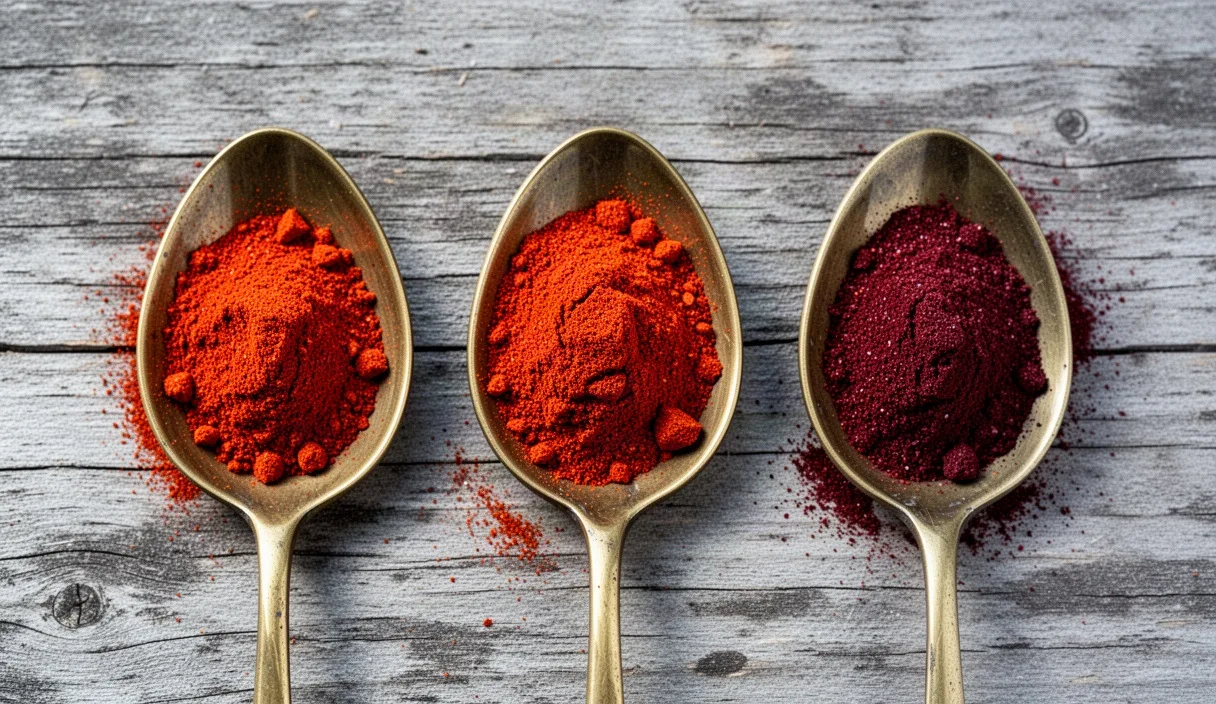
Pimentón de la Vera: Smoked Paprika Selection Guide

You will master the nuances between dulce, agridulce, and picante powders dried over slow oak embers in Extremadura. By learning how to bloom these spices correctly in warm oil, you will avoid the bitter notes of scorched paprika.

Preserved Lemons: Salt Ratios and Fermentation Science
Regional Pantries 11 min read

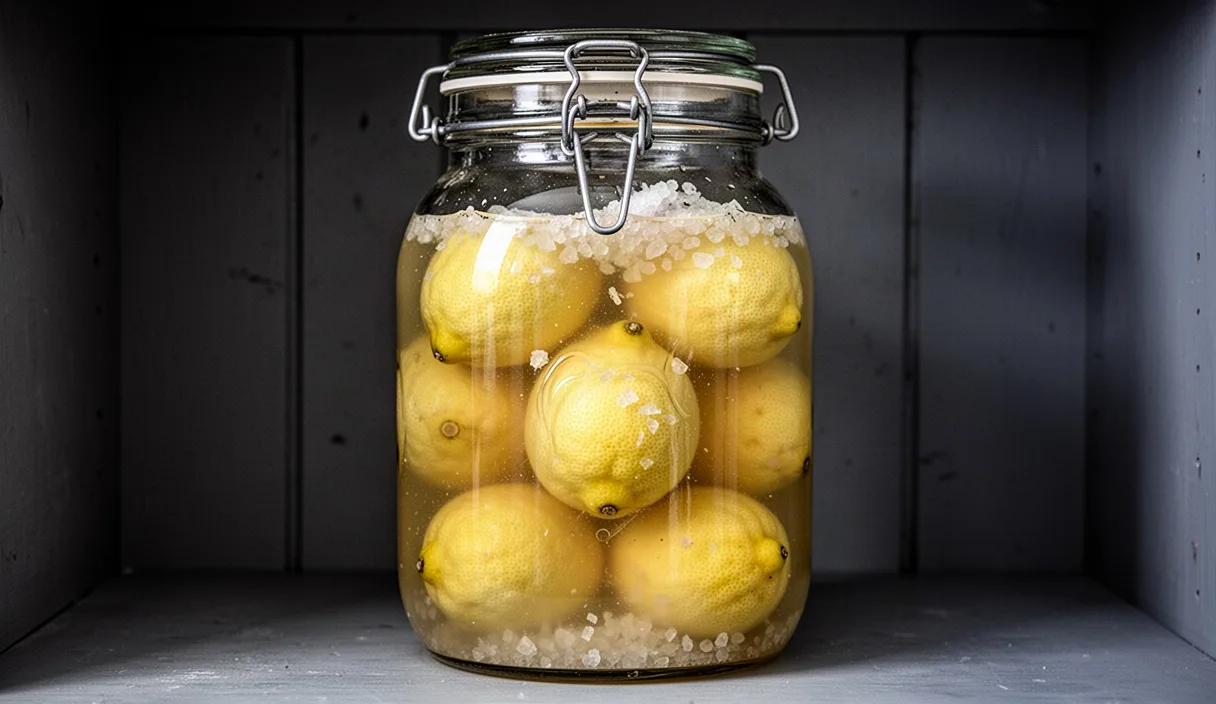
Preserved Lemons: Salt Ratios and Fermentation Science

You will learn the precise salinity balance required to tenderize thick citrus rinds and temper sharp citric acid. Through proper packing and curing, your larder will acquire an authentic North African pantry staple.

How we write

Editorial policy
1

Field Research Only

Our team travels directly to growers, mills, and family kitchens rather than rehashing secondary sources.

2

Transparent Editorial Standards

We never accept paid ingredient placements or biased promotional reviews.

3

Domestic Adaptability

Every international technique is thoroughly translated for standard domestic cookery equipment.

4

Precise Measurements

All published formulas rely on exact metric weights to guarantee consistent kitchen outcomes.

More on Comparative Tastings

Explore systematic tasting notes comparing regional ingredients, vintage harvest variations, and cultivars.

All culinary essays upon this subject
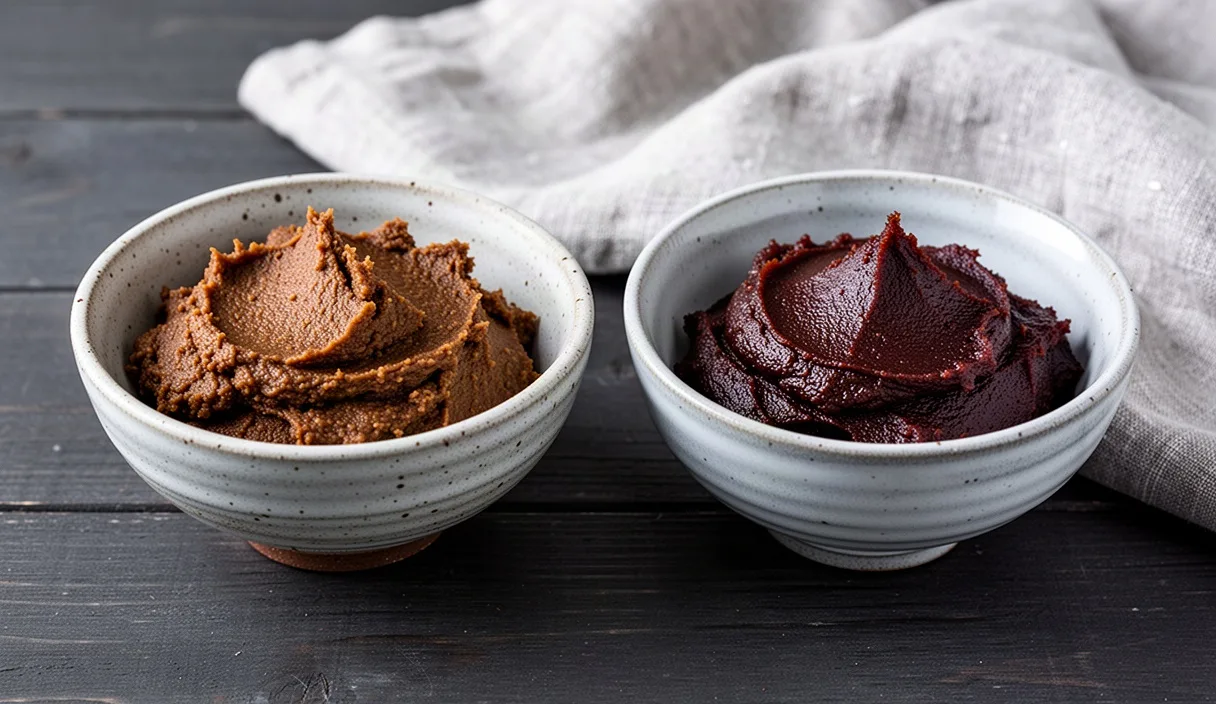
Fermented Bean Pastes: Doenjang Compared to Red Miso
Comparative Tastings 10 min read

Fermented Bean Pastes: Doenjang Compared to Red Miso

You will understand the distinct microbial fermentation pathways that separate Korean meju from Aspergillus-inoculated Japanese pastes. This comparison will enable you to select the appropriate foundation for robust stews or delicate broths.

Olive Oil Harvests: Early Green Versus Late Ripe
Comparative Tastings 10 min read

Olive Oil Harvests: Early Green Versus Late Ripe

You will learn how harvest timing alters polyphenol density, peppery throat catch, and lipid stability. With these tasting parameters, you can pair specific pressings to fresh crudo or delicate baked confections.

Kombu Varieties Compared: Ma-Kombu, Rishiri, and Rausu
Comparative Tastings 10 min read

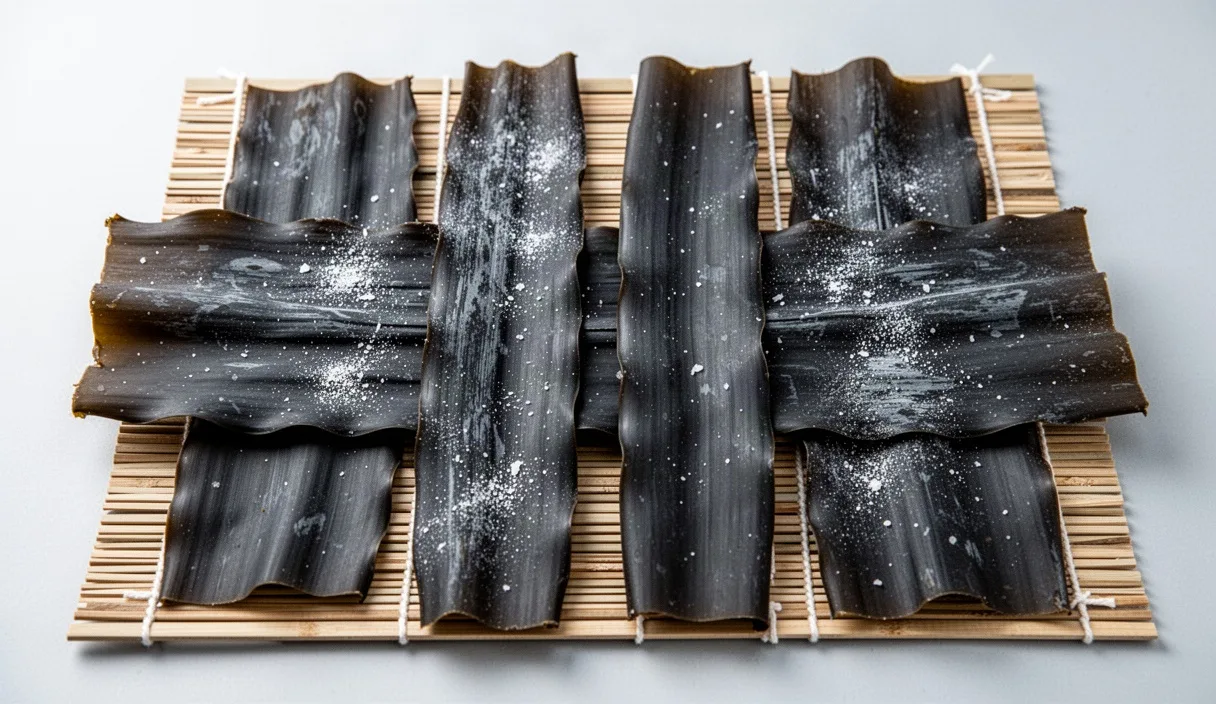
Kombu Varieties Compared: Ma-Kombu, Rishiri, and Rausu

You will understand the regional glutamic acid variations across Hokkaido kelp harvests and their influence on broth clarity. This knowledge will guide your selection for either crystal-clear formal soups or hearty braises.

Long reads

Kombu Varieties Compared: Ma-Kombu, Rishiri, and Rausu
Comparative Tastings10 min read

Kombu Varieties Compared: Ma-Kombu, Rishiri, and Rausu

You will understand the regional glutamic acid variations across Hokkaido kelp harvests and their influence on broth clarity. This knowledge will guide your selection for either crystal-clear formal soups or hearty braises.

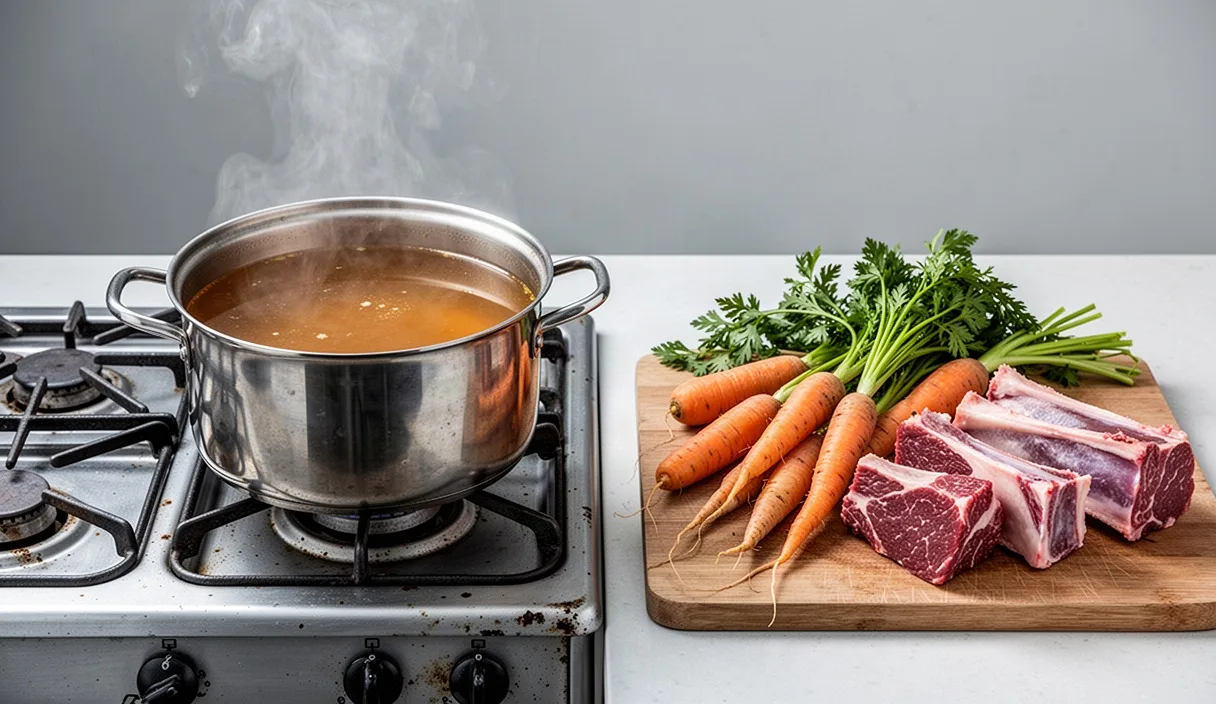
The Anatomy of Roman Brodo: Sourcing Cuts and Bones
Technique and Hearth10 min read

The Anatomy of Roman Brodo: Sourcing Cuts and Bones

You will learn how to balance gelatinous connective tissue with lean stewing beef to build a clear golden broth. Following this classical method, you will produce an unclouded soup base that clarifies naturally during a gentle simmer.

Write to the Editors

Please share your questions, suggestions for historical inquiries, or corrections with our desk. Every message receives the polite attention of our staff.

Send us a message

Working hours: Mon-Fri 08:45-18:15
Expected response time: We reply within one business day