 Terroir & Table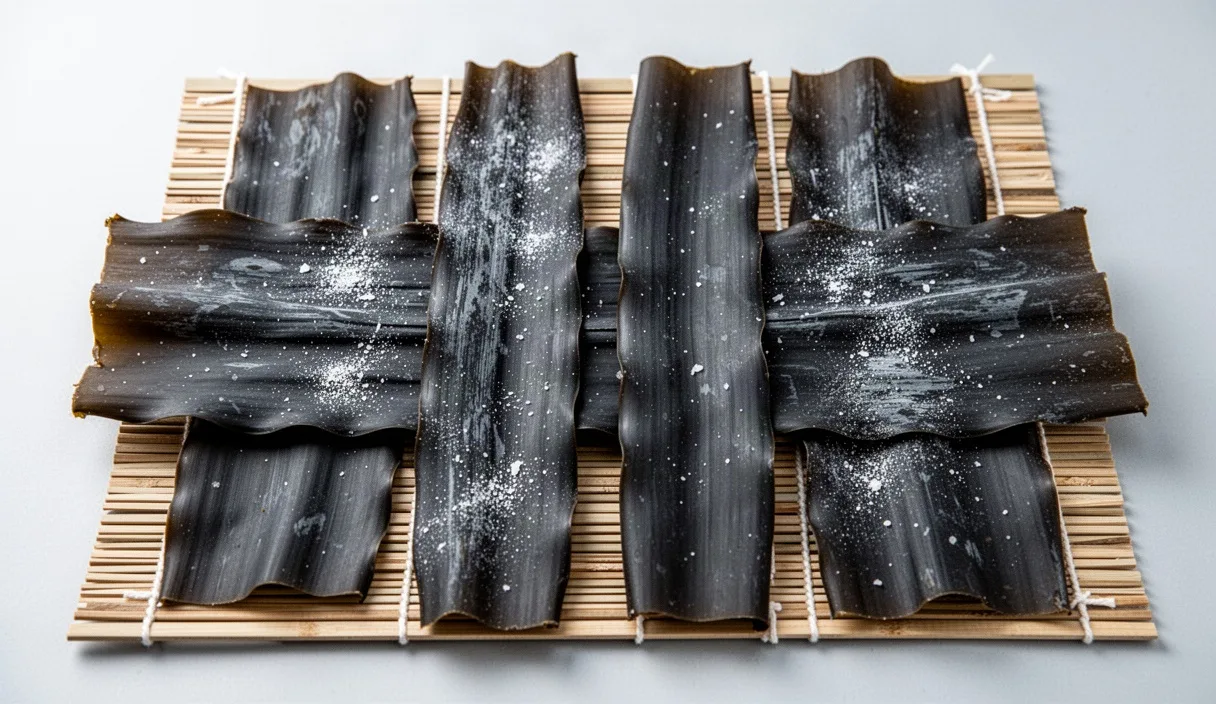

The culinary traditions of Japan place dried kelp at the foundation of savory depth. Known collectively as kombu, these marine algae belong predominantly to the genus Saccharina and flourish in the cold, nutrient-laden waters surrounding the northern island of Hokkaido. While many domestic kitchens treat dried kelp as a uniform commodity, traditional cooks and professional broth makers distinguish sharply between regional cultivars. A single culinary decision, such as pairing the delicate flesh of sea bream with an overly dominant kelp, can fundamentally alter the balance of a finished broth.
Three varieties command the highest regard among practitioners of traditional Japanese cookery: Ma-kombu, Rishiri kombu, and Rausu kombu. Each yields a distinct profile of free amino acids, sugar alcohols, and aromatic nuances. Selecting the proper leaf requires an understanding of their coastal provenance, their internal chemistry, and their response to thermal extraction. Through careful water management and measured heating, one may draw from these dried fronds an exceptional spectrum of umami that ranges from crystal transparency to velvety, amber richness.
Hokkaido Waters: Currents, Minerals, and Kelp Species
The geography of Hokkaido provides an exceptional nursery for macroalgae. The island sits at the convergence of powerful oceanic systems. The Oyashio current carries subarctic, oxygenated water packed with silica, nitrate, and phosphate southward along the eastern and northern coasts. In contrast, branches of the Tsushima warm current brush the western shores, creating distinct microclimates characterized by specific water temperatures, light penetration levels, and salinity gradients. Kelp species have adapted over millennia to thrive within these defined aquatic niches.
Ma-kombu (Saccharina japonica) grows along the southern coast of Hokkaido, primarily along the shores facing Hakodate and the historic Minamikayabe district. The waters here are sheltered, permitting the kelp to develop wide, thick, fan-shaped fronds that can span up to 30 centimeters across. The flesh is pale and substantial, reflecting a steady, uninterrupted growing season in deep, cold bays where wave action is buffered.
Rishiri kombu (Saccharina ochotensis) originates along the northernmost perimeter of the island, encircling Rishiri Island, Rebun Island, and the windswept cape of Wakkanai. The sea here is turbulent and frigid. In response to continuous wave stress, Rishiri kelp develops a narrower, firmer, and more rigid blade. Its cell walls are tightly packed, producing a hard, leathery texture that yields its interior compounds slowly and cleanly into steeping liquids.
Rausu kombu (Saccharina diabolica) occupies an extraordinarily restricted habitat along the eastern coast of the Shiretoko Peninsula, facing the Nemuro Strait and the Kuril Islands. Packed winter drift ice melts here during spring, saturating the coastal shelf with an abundance of mineral nutrients. Rausu fronds grow broad, supple, and exceptionally dark, often turning mottled brown-black upon drying. The leaves are softer than Rishiri blades, allowing them to release their soluble mass with remarkable speed.
Chemical Composition: Glutamate and Mannitol Balances
The gastronomic utility of kombu rests upon its concentration of naturally occurring flavor compounds, predominantly free monosodium glutamate and mannitol. Glutamate acts upon the human tongue to register umami, while mannitol, a natural sugar alcohol, imparts an imperceptible sweetness that softens sharp salinity and rounds the mouthfeel. In parallel, marine polysaccharides such as alginic acid and fucoidan dictate the viscosity and clarity of the resulting broth.
The distribution of these compounds varies measurably across the three cultivars. Rausu kombu carries the highest concentration of free glutamate, often surpassing 3200 milligrams per 100 grams of dried leaf. This high amino acid density is paired with an abundance of water-soluble fibers that soften easily during extraction. Ma-kombu occupies a measured middle ground, typically holding between 2100 and 2800 milligrams of glutamate per 100 grams, accompanied by a thick coating of crystalline mannitol on its exterior. Rishiri kombu averages between 1800 and 2300 milligrams of glutamate per 100 grams, yet its lower ratio of soluble polysaccharides allows it to yield an extraction that remains pure and free of surface clouding.
| Kombu Variety | Botanical Classification | Average Glutamate Content | Extraction Clarity | Broth Body |
|---|---|---|---|---|
| Ma-Kombu | Saccharina japonica | 2100 to 2800 mg / 100g | Moderate clarity, pale gold | Balanced, round sweetness |
| Rishiri | Saccharina ochotensis | 1800 to 2300 mg / 100g | Exceptional, water-white | Firm, sharp, restrained |
| Rausu | Saccharina diabolica | 2800 to 3400 mg / 100g | Translucent yellow to light amber | Viscous, dense, bold |
The white crystalline powder visible on the surface of dried leaves is frequently misidentified as sea salt or mold. It is mannitol that has crystallized as the moisture migrated outward during the sun-curing process. Removing this coating through aggressive washing deprives the cook of significant flavor. High-grade specimens display an even, fine efflorescence of mannitol across their entire surface, confirming both patient field drying and proper post-harvest handling.
Water Temperature Controls for Pristine Dashi
Extracting flavor from dried kelp requires careful thermodynamic management. The goal is to draw out free glutamate and mannitol while leaving behind bitter polyphenols, tannins, and viscous alginates that reside within the cellular matrix. Water mineral content plays an equally decisive role in this process. Mineral-heavy hard water containing elevated levels of calcium and magnesium binds to glutamate molecules and prevents complete extraction, while soft water with a mineral count under 45 milligrams per liter yields an open, aromatic broth.
Cold Infusion (Mizudashi)
Cold steeping represents the most reliable method for isolating clean umami without extracting undesirable mucilaginous compounds. Submerge 10 grams of cleaned, dried kombu into 1 liter of cold, filtered soft water. Maintain the container at a steady temperature between 4 and 8 degrees Celsius within a refrigerator for a duration of 8 to 14 hours. This duration allows the thick cell walls to hydrate gently, drawing out the crystalline mannitol and surface glutamates while the internal alginic chains remain insoluble. The resulting liquid is bright, pure, and ready for immediate service or subsequent blending with dried bonito flakes.
Controlled Warm Extraction (Nidashi)
When time does not permit overnight cold infusion, thermal extraction provides a rapid alternative, provided the temperature remains tightly bounded. Place the kelp and cold water into an unreactive stainless steel or ceramic pot. Apply low, indirect heat to raise the liquid temperature steadily over a period of 40 minutes, aiming for an increase of roughly 1.5 degrees Celsius per minute.
Do not allow the temperature to rise above 65 degrees Celsius. Sustaining the water between 60 and 65 degrees Celsius for 45 minutes activates optimal glutamate diffusion. Once the water approaches 75 degrees Celsius, thermal degradation of the plant cells accelerates, causing the leaf to release viscous polysaccharides and bitter tannins that taint the broth. Lift the kelp from the pot the instant the target temperature is reached or when small bubbles first form along the base of the vessel.
Rishiri Kombu for Suimono and Clear Broths
Rishiri kombu holds an unrivaled position in the traditional kitchens of Kyoto, where the aesthetic standard of clear soup, or suimono, demands utter visual purity. A proper suimono broth must be as clear as spring water, showing neither tint nor haze when served in dark urushi lacquer bowls. The tight cellular structure of Rishiri kelp resists physical breakdown under gentle heat, ensuring that no mucilage escapes into the pot.
The flavor profile of Rishiri dashi is distinguished by its clean, linear focus. It offers an immediate, sharp savory presence on the palate without lingering sweetness or heavy marine aromatics. This restraint ensures that the delicate profiles of seasonal ingredients, such as steamed tilefish, young bamboo shoots, matsutake mushrooms, or translucent ribbons of turnip, remain entirely unclouded.
To prepare an authentic clear soup stock using Rishiri kombu, adhere to the following sequence:
- Gently wipe the surface of 12 grams of Rishiri kombu with a clean cloth lightly dampened with sake, taking care not to rub away the powdery white mannitol.
- Soak the kelp in 1000 milliliters of soft water for 6 hours at room temperature, ideally between 18 and 20 degrees Celsius.
- Transfer the infusion to a heavy saucepan and apply low heat, bringing the water to 62 degrees Celsius over 25 minutes.
- Remove the kelp immediately from the liquid; do not squeeze or press the leaf.
- Introduce 15 grams of high-grade katsuobushi shavings, remove the pan from heat entirely, allow the flakes to settle for 2 minutes, and strain the liquid through unbleached cotton cloth without pressing.
Ma-Kombu and Rausu for Rich Stews and Simmers
While Rishiri excels in transparent preparations, Ma-kombu and Rausu kombu demonstrate their superiority in dishes requiring sustained presence, aromatic weight, and substantial culinary structure. Their higher concentrations of soluble solids create broths that coat the palate, holding their own against soy sauce, mirin, and robust proteins.
Ma-kombu produces a golden, clear infusion with an inherently rounded, sweet finish. Its broad fronds are fleshy and tender enough that, once spent from broth production, the leaf can be sliced thinly and cooked directly into tsukudani preserves. In cooking, Ma-kombu serves as the ideal foundation for simmered vegetable dishes (nimono) and hot pots containing white-fleshed fish, chicken, or tofu (yudofu). The subtle sweetness derived from its abundant mannitol acts as a bridge between the earthy minerals of root vegetables and the savory qualities of poultry.
Rausu kombu, frequently referred to as the king of kelp in Osaka and southern Honshu, delivers an assertive, fragrant broth with a deep, golden-yellow hue. Because Rausu leaves are softer and richer in soluble fibers, the resulting extraction possesses body and viscosity. It is particularly valued in commercial noodle broth shops and home stews where a profound depth of flavor is needed to anchor pungent broths. When combined with aged katsuobushi or smoked mackerel flakes, Rausu dashi creates a complex stock capable of supporting thick udon, braised beef, and red miso soups.
- Table Hot Pots (Nabemono): Line the base of a clay donabe pot with a 15-centimeter strip of Ma-kombu, add water, and allow it to steep gently as the vegetables and proteins simmer at the table.
- Miso Preparations: Utilize Rausu kombu dashi as the base for robust barley or red miso, where its high glutamate level prevents the saltiness of the aged paste from overpowering the dish.
- Kombujime (Curing): Sandwich fillets of sea bass, flounder, or sea bream between moistened sheets of Ma-kombu for 4 to 8 hours; the thick, supple leaf draws out excess moisture from the fish while infusing its surface with glutamic acid.
Storage Rules for Preserving Dried Sea Kelp
Properly processed kombu is a remarkably stable ingredient, yet it remains vulnerable to environmental moisture, ambient odors, and direct ultraviolet light. In northern Japan, aged kombu (known as kuragakoi) is held in climate-controlled storehouses for periods ranging from 1 to 5 years. During this maturation, the harsh marine salinity and raw iodine notes gradually dissipate, yielding a mellower, more complex umami profile. Home cooks and professional kitchens can achieve similar longevity by adhering to rigorous preservation practices.
Relative humidity represents the greatest hazard to dried kelp. If ambient humidity exceeds 65 percent, the leaf will absorb ambient vapor, softening its texture and encouraging the germination of mold spores. The dried kelp should be stored in an airtight, food-safe container made of heavy glass, metal, or dense polypropylene. If humidity levels are high, place food-safe silica desiccant packs inside the storage chamber to maintain an interior relative humidity below 45 percent.
Protect the containers from heat and sunlight. Ultraviolet radiation degrades the pigments and lipid fractions within the dried kelp, resulting in off-flavors reminiscent of oxidized paper or damp straw. Store the vessels in a cool, dark larder held between 12 and 18 degrees Celsius. Under these conditions, whole fronds of Ma-kombu and Rishiri will retain their pristine culinary qualities for several years, slowly improving in depth as the lingering volatile compounds mellow.
Common Mistakes in Kombu Preparation
Even seasoned cooks occasionally compromise the quality of their stocks by overlooking fundamental physical properties of the kelp. Avoiding these errors ensures a consistent, pristine extraction every time.
- Scrubbing the White Surface Residue: Vigorously washing the leaf under a running faucet removes the natural mannitol and water-soluble glutamates, stripping the kelp of its prime flavor compounds before it ever touches the pot.
- Boiling the Kelp: Permitting the liquid to reach 100 degrees Celsius with the kombu submerged ruptures the cell walls, releasing bitter tannins and stringy alginates that turn the broth cloudy, astringent, and thick.
- Utilizing Mineral-Rich Water: Hard water with a high mineral count prevents the effective solubilization of umami compounds. Always prepare dashi with soft spring water or filtered tap water with a low mineral threshold.
- Discarding the Kelp After a Single Use: A single leaf of Ma-kombu or Rausu retains usable flavor after making primary broth (ichiban dashi). These spent leaves can be simmered gently in fresh water to create a lighter secondary broth (niban dashi) suitable for braises.
Recommended Next Steps for the Kitchen
To develop an instinctive familiarity with these three kelp varieties, an empirical tasting is highly instructive. Procure 50-gram packages of genuine, wild-harvested Ma-kombu, Rishiri kombu, and Rausu kombu. Cut a 10-gram sample from each variety, inspecting the physical thickness, coloration, and leaf density of the individual specimens.
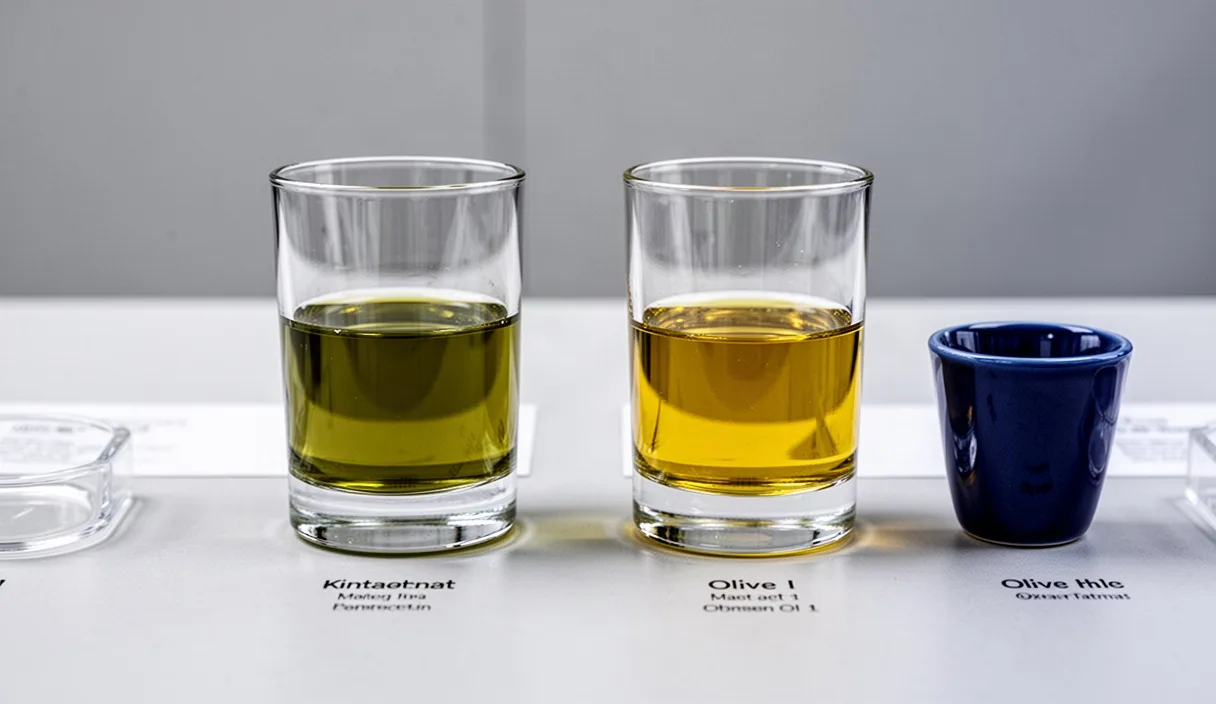
Conduct a side-by-side cold extraction by placing each 10-gram sample into an identical glass vessel containing 500 milliliters of cold, soft water. Store the vessels at 5 degrees Celsius for 10 hours. Decant the infusions into clear glasses and observe their transparency, color saturation, and aroma at room temperature. Taste each liquid sequentially without seasoning, noting the sharpness of the Rishiri, the gentle sweetness of the Ma-kombu, and the heavy, savory coat of the Rausu. This simple exercise will clarify the distinctive nature of each variety, allowing you to select the appropriate frond with confidence across every facet of classical cookery.