 Terroir & Table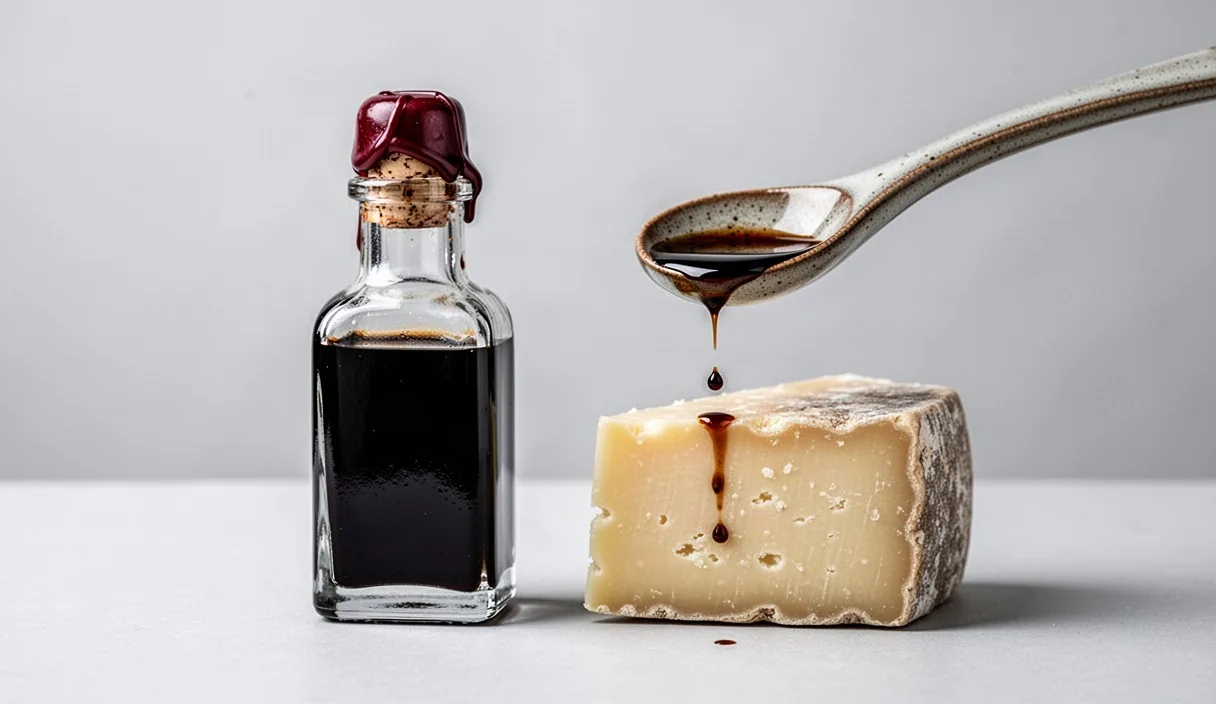

Few condiments suffer as much indignity from commercial imitation as the true traditional balsamic vinegar of Emilia-Romagna. Across international supermarket shelves, bottles bearing the word "balsamic" usually contain modest wine vinegar colored with caramel, thickened with modified starch, and sweetened with concentrated grape juice. While these industrial dressings serve everyday salad preparation adequately, they possess virtually no relationship to the centuries-old elixir produced in the attics of Modena and Reggio Emilia. Authentic traditional balsamic vinegar is not a salad dressing; it is an aged, complex reduction of pure grape must, cultivated over decades through deliberate artisanal craftsmanship.
To distinguish between industrial condiments and this cultural monument, one must understand both the historical method of production and the strict regulatory frameworks governing it. Protected by rigorous European Union denominations of origin, true Aceto Balsamico Tradizionale represents a living historical continuum. It demands an appreciation of slow evaporation, multiple wood varieties, and patience measured not in months, but across generations. For the collector and the culinary connoisseur, discerning the genuine article requires a firm grasp of raw ingredients, barrel aging sequences, packaging mandates, and proper serving protocol.
The Barrel Battery: From Oak to Juniper
The core of traditional balsamic vinegar production rests inside the attic, or acetaia, rather than in a subterranean cellar. In Emilia-Romagna, attics experience the full severity of continental seasons: blistering summer heat that encourages microbial evaporation and concentration, followed by frigid winter months that allow the vinegar to settle, clarify, and rest. Within this environment sits the batteria, a series of progressively smaller wooden casks, typically numbering between five and nine barrels, through which the must travels across decades.
The operation of a battery relies on two precise annual actions executed during the cold winter dormancy: il travaso (decanting) and il rincalzo (topping off). Because evaporation removes a portion of volume each summer, vinegar from each barrel is systematically transferred down the line to refill the adjacent smaller barrel. The smallest cask, called the botticella, yields the final drawn vinegar. The largest barrel, the botte madre, is subsequently replenished with the newly boiled must of the current autumn harvest. At no point is a barrel emptied completely; each cask maintains an established bacterial colony and seasoned wood tannins that interact perpetually with the liquid.
The complexity of the final vinegar depends heavily on the botanical diversity of the woods chosen for the casks. Coopers and producers select woods that impart distinct organoleptic properties as the liquid reduces:
- Oak (Quercia): Provides structural durability, vanillin compounds, and firm tannins. Oak barrels are frequently chosen for the larger vessels where raw must begins its transformation.
- Chestnut (Castagno): Donates rich, dark color and accelerates the acidification process due to its high natural tannin content.
- Cherry (Ciliegio): Softens the vinegar and imparts delicate floral sweetness, though the porous wood demands careful monitoring against excessive leakage.
- Ash (Frassino): A neutral, low-tannin wood containing numerous pores that facilitate oxygen exchange and steady evaporation without overpowering delicate aromatics.
- Mulberry (Gelso): Rapidly concentrates the vinegar through high evaporation rates, historically prized in Modena for contributing roundness.
- Juniper (Ginepro): Highly aromatic and resinous. Used cautiously, often in smaller casks, to introduce herbal notes without dominating the vinegar.
Cooked Grape Must Versus Diluted Wine Vinegar
The single most definitive boundary between traditional balsamic vinegar and commercial variants lies in the ingredient list. Authentic Aceto Balsamico Tradizionale requires precisely one ingredient: cooked grape must (mosto cotto). By law, producers use grapes harvested predominantly from Trebbiano, Lambrusco, Spergola, and Berzemino vines grown within the provinces of Modena or Reggio Emilia. After gentle pressing, the fresh, unfermented juice is simmered in open copper or steel kettles over direct flame for twelve to twenty-four hours, reducing the volume to roughly fifty-five to sixty-five percent of its original state, thereby concentrating natural sugars without scorching.
In contrast, standard commercial vinegar, categorized under the Protected Geographical Indication as Aceto Balsamico di Modena IGP, represents an industrial formulation designed for high-volume trade. The base of IGP vinegar consists of wine vinegar blended with cooked or concentrated grape must. Italian regulations permit the addition of up to two percent caramel color (additive E150d) to mimic the rich obsidian hue achieved naturally through decades of oxidative aging. While high-grade IGP vinegars exist, they remain composite products rather than pure reductions.
| Characteristic | Aceto Balsamico Tradizionale DOP | Aceto Balsamico di Modena IGP |
|---|---|---|
| Permitted Ingredients | 100 percent cooked grape must | Wine vinegar, concentrated must, optional E150d caramel |
| Aging Vessel | Open battery of descending mixed-wood casks | Large wooden vats (or stainless steel for base blending) |
| Minimum Maturation | 12 years (Affinato) or 25 years (Extravecchio) | 60 days (or 3 years for Invecchiato classification) |
| Final Consistency | Naturally viscous, glossy, syrupy | Thin and watery, unless added thickeners are present |
The biochemistry of genuine Aceto Balsamico involves two distinct fermentation phases occurring simultaneously in the early casks. First, osmophilic yeasts convert the concentrated must sugars into ethanol. Second, colonies of acetic acid bacteria (Acetobacter) convert this alcohol into acetic acid. Over subsequent decades, chemical esterification binds alcohols and acids together, synthesizing hundreds of aromatic molecules while atmospheric evaporation steadily increases the dry extract and density of the liquid.
Deciphering the DOP Seal and Traditional Bottle Shapes
To eliminate consumer deception, the consortia of Modena and Reggio Emilia established strict, legally binding packaging mandates. Genuine traditional balsamic vinegar is sold exclusively under the Denominazione di Origine Protetta (DOP) label. Most crucially, individual producers do not bottle their own traditional vinegar. Once aged, vinegar samples are delivered directly to the regional consortium, where a board of licensed master tasters evaluates density, acidity, and sensory profile in blind trials. Only upon passing this sensory exam is the batch bottled within consortium facilities.
The bottle itself provides immediate verification of provenance. For vinegar produced in Modena, law dictates that all Aceto Balsamico Tradizionale di Modena DOP must be sold in a singular, patented bottle designed by legendary automotive designer Giorgetto Giugiaro. This flask features a spherical body resting on a rectangular base, made of heavy glass holding precisely 100 milliliters. It carries one of two designations:
- Affinato (White or Cream Cap): Indicates the vinegar has matured through the battery for a minimum of twelve years.
- Extravecchio (Gold Cap): Certifies that the vinegar has completed at least twenty-five years of aging and achieved the requisite sensory threshold.
Producers within the neighbouring province of Reggio Emilia employ a different, equally strict system. Aceto Balsamico Tradizionale di Reggio Emilia DOP is packaged in a distinctive bottle designed by Roberto Mongiardino, characterized by a slender neck terminating in an inverted tulip shape, also holding precisely 100 milliliters. Reggio Emilia categorizes its vinegar through a three-tier label system determined by points awarded during the consortium tasting:
- Aragosta (Lobster/Red Label): Minimum twelve years of aging; retains pronounced, pleasant volatile acidity and lighter viscosity.
- Argento (Silver Label): Approximately twelve to twenty years of aging; shows greater wood extraction, deeper balance, and increased density.
- Oro (Gold Label): Minimum twenty-five years of maturation; rich, complex, syrupy, and remarkably balanced on the palate.
Tasting Protocol: Acidity, Sugar, and Viscosity
Evaluating an authentic aceto requires precision, as the concentration of volatile acids and sugars can easily overwhelm an untrained sensory apparatus. The tasting protocol mirrors that used by professional consortium panels. One should never sample traditional balsamic vinegar using metal flatware, as metallic contact can trigger minute oxidation that imparts a tinny, unpleasant finish. Instead, utilize a small spoon made of white porcelain, non-reactive glass, or traditional horn.
Follow these steps to conduct an accurate sensory evaluation:
- Visual Inspection: Pour approximately five milliliters of vinegar into a clear tasting snifter or onto a white porcelain spoon. Slowly rotate the vessel. The liquid should coat the surface smoothly, showing deep, glossy darkness ranging from intense chestnut to pitch black. It must demonstrate viscous cohesion without the gelatinous clinging associated with added starches.
- Olfactory Assessment: Hold the vessel roughly ten centimeters below the nose before drawing it closer. Do not inhale deeply immediately, as acetic vapours will numb olfactory receptors. Inhale gently. The aroma should present an initial acetic sharpness that swiftly resolves into warm, layered notes of cooked plum, toasted oak, fig, leather, and vanilla.
- Palate Delivery: Place two to three drops directly onto the center of the tongue using the porcelain spoon, or drop it onto the clean, dry skin between your thumb and index finger. Allow the liquid to warm against your tongue without swallowing immediately.
- Sensory Integration: Observe the balance. The entry will taste distinctly sweet from natural fructose, swiftly chased by an assertive, clean acidity (usually between 4.5 and 6 percent total acidity). The acidity must never taste raw or burning; rather, it should linger harmoniously, cleansing the palate while releasing retro-nasal aromas of aged wood.
Culinary Applications Without Cooking
The fundamental rule regarding authentic Aceto Balsamico Tradizionale is absolute: do not expose the finished vinegar to cooking heat. Applying direct heat to a liquid aged for a quarter of a century destroys its volatile aromatic esters, breaks down subtle wood notes, and wastes a costly artisanal product. Authentic aceto should be treated not as a cooking medium, but as an aromatic finishing touch, deployed in drops rather than spoonfuls.
When incorporating this ingredient into culinary service, precise portioning is paramount. A single portion generally calls for four to eight measured drops. Excellent applications include:
- Parmigiano Reggiano: Place shards of 24-month or 36-month aged cheese on a platter. Deposit three drops of Affinato or Argento directly onto each piece. The natural tyrosine crystals in the cheese juxtapose cleanly against the vinegar's dense acidity.
- Risotto alla Parmigiana: Prepare a classic white risotto finished with broth, butter, and cheese. Ladle the rice into flat bowls, allow it to settle for thirty seconds, and dot five to six drops of Extravecchio across the surface immediately prior to presenting the plate.
- Seared Veal or Beef Tenderloin: Slice the rested, cooked meat thinly. Season with coarse sea salt, then apply several drops across the warm meat. The ambient temperature of the sliced protein warms the vinegar, releasing aromatics without scorching them.
- Fresh Fruit and Simple Custards: Distribute fresh, ripe wild strawberries or delicate vanilla fior di latte gelato into chilled bowls. Finish with three drops of twenty-five-year Extravecchio or Oro label vinegar. The bright fruit acids and fatty cream bases serve as neutral backdrops for the complex sweetness of the must.
Preserving Aged Bottles in Domestic Pantries
Because authentic traditional balsamic vinegar boasts low water activity, elevated natural sugar concentration, and significant natural acidity, it is biologically stable and possesses an indefinite lifespan. However, careless storage can degrade its aromatic complexity over time. To preserve an opened bottle in optimal condition, several fundamental guidelines should be maintained within the home pantry.
Keep the bottle in a cool, dark location away from direct sunlight, such as an interior cabinet or a dedicated pantry shelf. The ideal storage temperature sits between fifteen and twenty-two degrees Celsius. Under no circumstances should traditional balsamic vinegar be placed in a domestic refrigerator. Cold temperatures cause the concentrated sugars to precipitate out of solution, forming hard glucose crystals at the bottom of the vessel that alter the liquid viscosity and clarity.
Ensure the closure remains secure. Authentic bottles typically arrive with a natural cork closure and a glass pouring spout. While the vinegar needs air during its decades in open wooden casks, an opened domestic bottle subjected to constant air circulation can eventually lose delicate volatile top notes. Ensure the stopper fits snugly into the neck after every use. If small, non-crystallized deposits settle in the bottle after many years, do not be alarmed; these represent natural sediment and do not indicate spoilage.
Common Mistakes
Even seasoned gastronomes sometimes falter when purchasing and handling traditional balsamic vinegar. The following errors occur frequently:
- Equating Age with Commercial "Glazes": Commercially marketed balsamic glazes are made by simmering cheap vinegar with cornstarch, pectin, or sugar. They possess a thick appearance that deceives novices, but entirely lack the fermentation depth of true aceto.
- Assuming All Modena Bottles Are Equal: The market offers vast quantities of Aceto Balsamico di Modena IGP that use dark glass, wax seals, and antique-style typography. Unless the bottle explicitly carries the word Tradizionale and the official Giugiaro spherical shape, it is not traditional balsamic vinegar.
- Using Traditional Vinegar in Vinaigrettes: Whisking true DOP traditional vinegar into olive oil with salt and mustard wastes the vinegar. The emulsification masks the fragile wood essences. Reserve standard IGP vinegars for oil-emulsified dressings.
- Leaving the Pouring Spout Inserted Indefinitely: Many bottles ship with a glass blowing pip or decorative dispensing cork. If stored for long stretches between uses, swap the open pouring spout for the original solid cork to limit continuous oxidation.
Recommended Steps for Acquisition and Curation
If you intend to acquire authentic Aceto Balsamico Tradizionale, begin by sourcing through accredited Italian purveyors or directly from licensed acetaie in Modena and Reggio Emilia. Verify that the bottle displays the red and yellow European Union DOP insignia and inspect the vessel shape. For Modena, insist exclusively on the 100-milliliter Giugiaro bottle; for Reggio Emilia, accept only the 100-milliliter Mongiardino bottle.
For individuals new to the category, starting with a certified Affinato from Modena or an Aragosta or Argento from Reggio Emilia provides an exceptional educational foundation. These twelve-year selections exhibit lively acidity alongside foundational wood notes, demonstrating how cooked must evolves over time. Once your palate recognizes the distinct balance of fruit acids and oak tannins, acquire an Extravecchio or Oro label to experience the deep, velvety concentration achieved after twenty-five years in wood. Handled with care, a single 100-milliliter bottle will provide dozens of memorable tastings, offering an unadulterated glimpse into one of Italy's most protected gastronomic treasures.