 Terroir & Table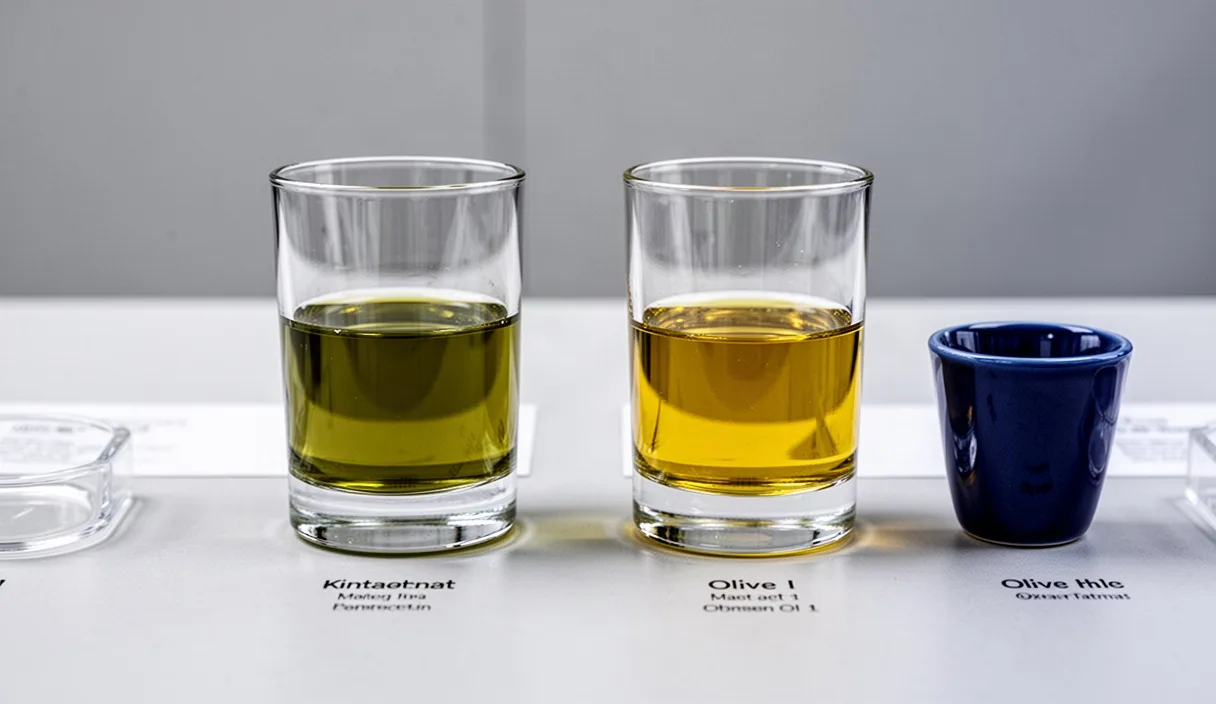

The distinction between an early green harvest and a late ripe harvest represents one of the most consequential choices in the production of extra virgin olive oil. When an estate decides to begin picking in early October rather than waiting until late December, it commits to a fundamental trade-off between oil yield and sensory intensity. The green fruit yields less oil by volume, yet it delivers a concentration of aromatic compounds and protective antioxidants that late-ripening olives cannot replicate. Conversely, allowing the fruit to mature fully on the branch softens the sharper edges of the olive, yielding a gentle, supple fat prized for pastry work and subtle emulsions.
For the discerning taster, understanding the physiological progression of the drupe transforms olive oil from a uniform culinary staple into an expressive agricultural vintage. Factors such as regional cultivar, ambient temperature during pressing, and tree stress all exert their influence, but harvest timing governs the baseline character of the press. In this guide, we examine the agronomic, chemical, and culinary distinctions that separate early harvest oils from their late-season counterparts, providing clear metrics for their evaluation and appropriate service at the table.
The Ripening Curve from Green to Dark Fruit
The physiological development of the olive fruit follows a measurable progression known to agronomists as the maturation index. Established by the International Olive Council and refined across Mediterranean institutes, this scale grades fruit from zero, indicating deep green skin and firm pulp, up to seven, which denotes black skin and pulp completely darkened to the pit. As the season advances from October through January in the northern hemisphere, the fruit undergoes profound internal transformations.
During the green phase (maturation index zero to two), the fruit accumulates water, sugars, and chlorophyll. Cellular respiration remains brisk, and the concentration of organic acids is high. The absolute quantity of oil within the mesocarp increases until veraison, the moment the skin begins to turn from green to straw yellow, purple, and finally black. Once the skin turns completely dark, oil synthesis largely ceases. Any apparent rise in oil percentage beyond this point is typically the result of moisture loss as the fruit dehydrates under late-autumn winds and light frost.
Harvesting at an index of 1.2 to 2.5 demands far greater physical effort and sacrifices commercial volume. A grower harvesting green Frantoio olives in Tuscany during the second week of October may extract only 11 to 13 liters of oil per hundred kilograms of fruit. If that same grower waits until December, when the fruit has reached an index of 5.0 or higher, the yield may rise to 19 or 22 liters per hundred kilograms. That volume increase, however, coincides with a total restructuring of the oil's volatile organic compounds and natural preservatives.
Polyphenols, Bitterness, and Throat Pungency
The sensory hallmarks of superior early-harvest oil are bitterness on the lateral borders of the tongue and a distinct pepper-like scratch in the pharynx, known in tasting terminology as pungency. Far from being processing defects, these attributes stem directly from hydrophilic phenols, notably oleuropein aglycone, ligstroside aglycone, and oleocanthal. The human throat possesses specialized TRPA1 ion channels that react specifically to oleocanthal, triggering the involuntary cough that experienced millers welcome as proof of freshness and vitality.
As the drupe ripens, endogenous enzymes such as polyphenol oxidase break down these complex phenolic structures into simpler compounds. Consequently, the total phenolic content drops sharply over the course of eight to ten weeks. While an early harvest Picual or Coratina may register between 450 and 850 milligrams of polyphenols per kilogram, a late harvest from the same grove may drop below 180 milligrams per kilogram.
| Harvest Timing | Average Maturity Index | Total Phenols (mg/kg) | Sensory Profile | Standard Oil Yield |
|---|---|---|---|---|
| Early Green | 1.0 to 2.2 | 420 to 800 | Bitter, peppery, highly herbaceous | 11 to 14 percent |
| Mid-Season (Veraison) | 2.5 to 4.0 | 260 to 410 | Balanced, fresh fruit, mild bite | 15 to 18 percent |
| Late Ripe | 4.5 to 6.5 | 110 to 230 | Sweet, buttery, soft almond finish | 19 to 24 percent |
Those individuals monitoring their intake of dietary antioxidants frequently seek out high-polyphenol oils. While medical claims regarding therapeutic benefits should always be discussed with a qualified physician or registered dietitian, it remains an established chemical fact that these phenolic compounds protect the fatty acids from rancidity, thereby prolonging the oil's shelf stability under proper cellar storage.
Early Harvest: Herbaceous and Artichoke Characteristics
The organoleptic profile of an early harvest oil is dominated by hexanal, trans-2-hexenal, and hexyl acetate, volatile compounds produced through the lipoxygenase pathway when undamaged green cellular tissue is crushed in the mechanical mill. These molecules create impressions that sensory panels describe through vegetal associations: freshly mown meadow grass, green tomato foliage, wild artichoke leaf, green tea, and thistle.
Consider the classical cultivars of central Italy and Andalusia. A green-picked Moraiolo from Umbria presents a firm, astringent structure, evoking cardoon and raw chicory, with a lingering warmth that commands attention in the throat. In southern Spain, an early Picual displays a hallmark aroma of snapped fig twigs and green tomato vine. The texture of these pressings is lean, clean, and tight across the palate, lacking any greasy residue.
To retain these volatile top notes, the master miller must handle green fruit with fastidious care:
- Milling must occur within six to eight hours of branch separation to prevent enzymatic fermentation.
- Malaxation temperatures must be kept strictly below 25 degrees Celsius, as higher warmth drives off delicate aldehydes.
- Malaxation duration must be limited to 20 or 35 minutes to prevent oxidation of the volatile compounds.
- Immediate vertical centrifugation and cellulose plate filtration must clear all suspended vegetative water and sediment.
Late Harvest: Almond, Butter, and Round Textures
When harvest begins in late November and continues into January, the resulting oil displays an entirely different temperament. As chlorophyll pigments degrade, carotenoids become the primary coloring agent, yielding a warm, golden-yellow liquid. The sharper enzymatic aromas fade, replaced by saturated aldehydes and esters that evoke sweet ripe apple, raw walnut, sweet almond paste, and dairy cream.
Late-harvest oils are particularly associated with regions where delicate, aromatic profiles are prized. The Arbequina of Catalonia, the Taggiasca of Liguria, and the Cailletier of the French Riviera around Nice are often gathered at advanced maturity. These oils present negligible bitterness and only a whisper of throat pungency. The texture feels broader and heavier in the mouth, coating the tongue with a silky viscosity that makes them accessible to palates unaccustomed to the sharp bite of early green pressings.
The economic advantage of late harvesting is clear: olive trees surrender their fruit far more readily to mechanical shakers or branch rakes, and the percentage of extracted oil per ton is significantly higher. However, the risk of fruit fly infestation and ground contamination increases dramatically. A late-harvest oil can only maintain the legal designation of extra virgin if the fruit is picked from the branch rather than swept from the soil, and processed before cellular breakdown generates sensory flaws such as fustiness or mustiness.
Matching Oil Character to Warm and Cold Dishes
In the kitchen, early and late harvest oils should never be viewed as interchangeable ingredients. An early harvest oil functions as a vibrant seasoning, akin to cracked black pepper or fresh herbs, whereas a late harvest oil acts as a gentle fat vehicle that carries subtle flavours without dominating them.
Early harvest oils demonstrate their greatest utility when paired with robust ingredients capable of balancing pronounced bitterness and peppery heat:
- Drizzled over warm pulses, such as white cannellini beans, braised lentils, or chickpea stews, where thermal vapor releases the herbaceous aromas.
- Finishing seared red meats, roasted venison, or bitter winter greens like puntarelle, endive, and kale.
- Paired with pungent raw preparations, including beef carpaccio, ripe heirloom tomatoes, and aged sheep cheeses like Pecorino Romano.
Late harvest oils, with their subdued phenolic profile, belong in preparations where vegetal bitterness would spoil the harmony of the dish:
- Emulsified into delicate sauces, such as mayonnaise or aioli, where an early green oil would render the emulsion unpleasantly bitter and metallic.
- Folded into baked goods, almond olive oil cakes, and brioche doughs as a replacement for dairy butter.
- Dressed over steamed white fish, delicate crustaceans, poached leeks, or soft burrata cheese that would be overwhelmed by artichoke and cut-grass notes.
The Chemistry of Degradation by Heat and Oxygen
The longevity and thermal endurance of any olive oil depend entirely on its baseline chemistry. Two standard laboratory indicators reveal this state: free fatty acidity, expressed as a percentage of oleic acid, and the peroxide value, measured in milliequivalents of active oxygen per kilogram. By legal standard, extra virgin olive oil must remain below 0.8 percent free acidity and below 20 milliequivalents of peroxide. High-grade early oils frequently achieve acidity levels below 0.2 percent and peroxide levels under 7 milliequivalents.
Because early-harvest pressings contain high concentrations of natural polyphenols and alpha-tocopherol (vitamin E), they possess substantial internal resistance to auto-oxidation. When subjected to moderate heat during light pan work, these polyphenols sacrifice themselves to quench free radicals, protecting the mono-unsaturated oleic acid core from breaking down into rancid aldehydes and short-chain ketones. Late-harvest oils, possessing a diminished phenolic defense, degrade far more rapidly under heat and atmospheric oxygen exposure.
When exposed to ambient kitchen heat exceeding 26 degrees Celsius or subjected to prolonged sunlight in clear glass vessels, late-harvest oils may begin showing signs of oxidative distress within four to six months. Early-harvest oils, if bottled in dark glass and stored at 14 to 18 degrees Celsius, routinely maintain their freshness and nutritional integrity for 18 to 24 months from the press date.
Common Mistakes in Selection and Storage
Even knowledgeable cooks frequently make basic errors when buying and storing vintage olive oils:
The most pervasive error is treating olive oil as a cellar-aging product comparable to fine wine. Olive oil is a fresh agricultural fruit juice that experiences continuous degradation from the moment of extraction. An early harvest pressing from the current season should be consumed within 12 to 18 months of its harvest date, not held for special occasions over several years.
A second common mistake is storing oil on countertops adjacent to cooktops or in unshaded clear bottles. Heat and ultraviolet radiation accelerate photo-oxidation exponentially. An oil stored near a cooktop can see its peroxide value double within six weeks, destroying delicate aromas and leaving a flat, greasy residue on the palate.
Finally, consumers often mistake the natural bitterness and throat-tickle of early green oil for rancidity or excess acidity. True acidity is completely odorless and tasteless, measurable only through chemical titration. The bitter, scratchy sensation in the throat is direct evidence of protective polyphenols, whereas rancidity tastes like stale walnuts, crayon wax, or old tallow on the back of the palate.
Practical Steps for Comparative Cellar Tasting
To master the sensory differences between early and late harvests, one should conduct a formal comparative tasting at home. Gather one certified early green harvest oil and one certified late ripe harvest oil from the same agricultural region.
Prepare the tasting environment by eliminating ambient aromas from cooking or tobacco. Pour approximately 15 milliliters of each oil into separate, wide-bottomed, blue or dark tasting glasses to prevent visual color from biasing your olfactory judgment.
Follow these specific tasting actions:
- Warm the vessel: Cup the base of the glass in one palm and cover the rim with your other hand. Gently swirl the glass for approximately 60 seconds to raise the oil temperature toward 28 degrees Celsius, which frees the volatile aromatic esters.
- Inhale deeply: Uncover the glass and bring it directly to the nose. Take two short, decisive breaths. Note whether the aromas suggest cut grass, green leaves, and tomato stem, or if they lean toward ripe banana, sweet almond, and cream.
- Aspirate across the palate: Sip roughly five milliliters of oil without swallowing immediately. Rest the oil on the front of the tongue, then draw air briskly through your teeth in two short pulses. This retro-nasal technique vaporizes the aromatic compounds across the olfactory receptors at the back of the nasal passage.
- Evaluate the swallow: Slowly swallow the sample, assessing the degree of bitterness on the back and sides of the tongue, followed by the intensity of the pepper-like burn in the throat. Cleanse your palate with a slice of green Granny Smith apple and still water between samples.
Through this deliberate exercise, the palate quickly learns to separate the pungent energy of early green fruit from the round, calm indulgence of late-ripening harvests, allowing each to be used with purpose and precision in fine dining.