 Terroir & Table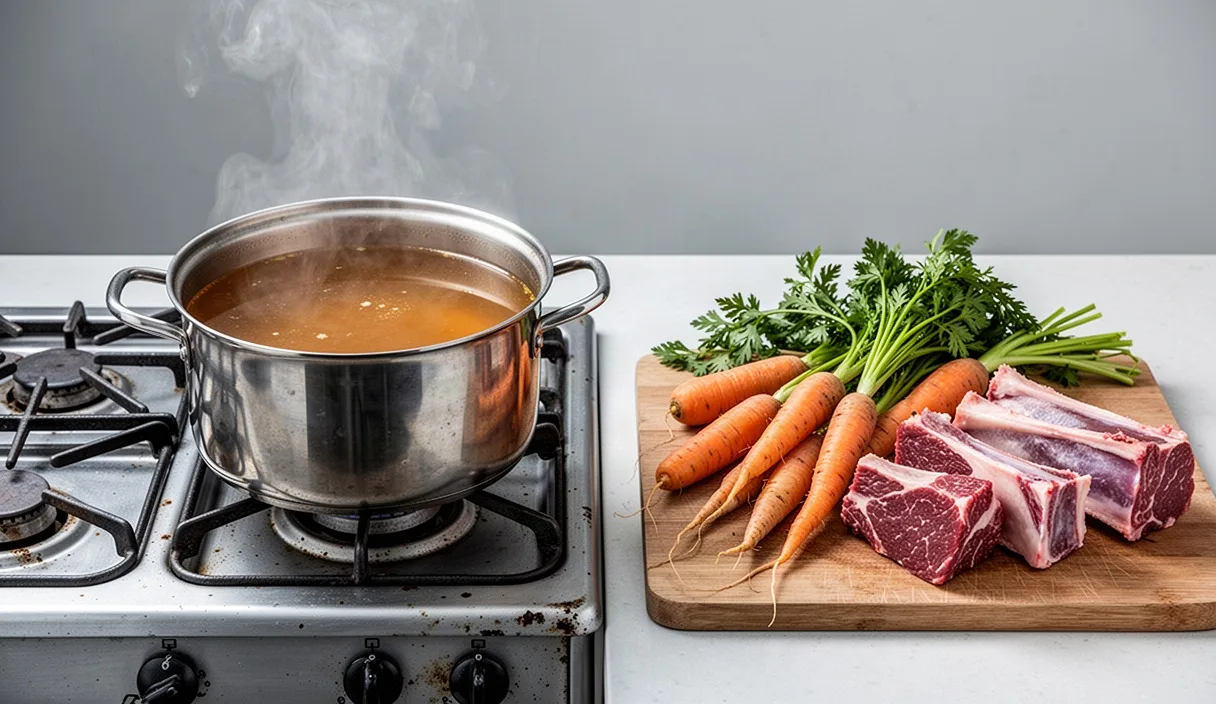

In the domestic kitchens and traditional trattorie of Rome, the preparation of clear broth, known as brodo, represents a quiet discipline of heat, water, and butchery. Unlike modern commercial stocks reduced aggressively for gelatine concentration, a classic Roman brodo serves as a delicate vehicle for egg pasta, tender boiled meats, and medicinal winter restoration. It demands patience and an exacting choice of raw materials. When executed correctly, the broth yields a golden, transparent liquid with a round mouthfeel that coats the palate without leaving an oily film.
The character of this broth relies entirely upon the equilibrium established between collagen, fat, and soluble muscle protein. In the Roman tradition, this is achieved through the marriage of beef, mature fowl, and occasionally veal. One must approach the market counter with a clear understanding of anatomy, recognizing that bones alone cannot yield a broth of sufficient depth, just as lean flesh without connective tissue results in a thin, astringent infusion. The following treatise examines the sourcing of these elements and the precise physical management required to draw out their virtues.
Selecting the Cuts: Marrow, Tendon, and Lean Muscle
A balanced brodo requires three distinct anatomical components: dense collagen for body, marrow for aromatic richness and emulsive fat, and mature lean muscle for savory amino acids. A common error among contemporary cooks is the reliance solely on stripped knuckle bones. Without muscle tissue, the liquid lacks savoury depth; without connective tissue, it lacks viscosity. A traditional proportion utilizes roughly two parts lean and semi-lean meat to one part collagenous bone, supplemented by an older laying hen or capon.
For the beef component, older working animals provide far superior depth compared to young, corn-finished stock. Cuts rich in intermuscular connective tissue should take precedence. The shank, known as garretto or stinco, provides an ideal cross-section of dense tendon, marrow pipe, and working muscle. Flank cuts such as the brisket (punta di petto) or plate provide sweet fat and fibrous muscle that holds together during long poaching, later serving as the centerpiece for the traditional bollito misto course.
The addition of poultry is indispensable in central Italian broth. An old stewing hen (gallina) contributes a high concentration of glutamic acid and yields a distinct yellow fat that lends the broth its characteristic color. Young broilers dissolve into mush and contribute an unpleasant, sour acidity. If a mature hen is unobtainable, capon wings and necks serve as a respectable substitute due to their abundance of cartilage and skin.
| Cut Name (Italian / English) | Primary Anatomical Contribution | Recommended Proportion by Weight |
|---|---|---|
| Garretto di manzo (Beef Shank) | Soluble gelatin from tendons, deep mineral tone | Thirty-five percent |
| Punta di petto (Beef Brisket) | Myoglobin, savory depth, firm boiled meat | Thirty percent |
| Gallina vecchia (Stewing Hen) | Surface lipids, delicate aroma, glutamates | Twenty percent |
| Ossa con midollo (Marrow Bones) | Lipid balance, richness, mouthfeel | Fifteen percent |
When selecting marrow bones, request center-cut pieces from the femur, cut to lengths between five and eight centimeters. Inspect the cut face carefully: the marrow should be firm, pale ivory to light pink, and free of dark brown discoloration or sour odors. Knuckle bones must show translucent white cartilage rather than dry, chalky surfaces, which indicates excessive storage time in dry refrigeration.
The Essential Cold Water Extraction Phase
The thermodynamic interaction between cold water and cold protein forms the cornerstone of classical broth preparation. Immersion of raw cuts directly into boiling or hot water causes the outer albuminous proteins on the meat surface to coagulate instantly. This rapid denaturing traps internal juices and myoglobin inside the tissues, functioning well for poaching meat meant to retain moisture, but depriving the liquid of its savory constituents.
To begin, place the rinsed cuts and scrubbed bones into a tall, heavy-bottomed stockpot. Cover the ingredients completely with cold, soft water, maintaining a depth of five to seven centimeters above the meat. The ratio should measure approximately two and a half liters of water for every kilogram of meat and bone. Cold tap water allows the soluble proteins to dissolve into the medium gradually as the temperature climbs.
Allow the ingredients to sit in the cold water for twenty to thirty minutes before applying any flame. This brief soak allows surface blood and water-soluble minerals to disperse evenly. Once the burner is ignited, set the heat to low or medium-low. The target is an exceptionally slow rise in temperature, taking no less than forty-five minutes to reach seventy degrees Celsius. This gradual ascent encourages albumin molecules to rise gently to the surface in cohesive blankets rather than dispersing into microscopic particles that cloud the pot.
Managing the Sub-Simmer Temperature
Boiling is the mortal enemy of clarity. A rolling boil creates violent mechanical agitation that fractures rendered fat into microscopic globules. These droplets combine with suspended protein fragments to create a permanent colloidal emulsion, resulting in the cloudy, opaque broth typical of industrial catering. Roman brodo must never experience a boil at any stage of its cookery.
The correct thermal state is a gentle convection, known colloquially as the sub-simmer or sobbollire. Maintain a water temperature between eighty-two and eighty-eight degrees Celsius. At this level, small bubbles rise occasionally from the base of the pot, perhaps one or two every few seconds, without breaking violently across the surface. This gentle movement circulates the liquid quietly, dissolving gelatin from cartilage over several hours while allowing fats to separate cleanly onto the top layer.
To regulate this environment without constant intervention, employ the following controls:
- Position a heavy cast-iron flame tamer or heat diffuser directly between the gas burner and the stockpot base to eliminate hot spots.
- Leave the pot completely uncovered or offset the lid by several centimeters. An enclosed vessel traps steam, raising the internal temperature above the boiling threshold and preventing volatile off-odors from escaping.
- Monitor the internal temperature with a digital probe thermometer every thirty minutes during the first two hours of extraction.
- Maintain total cooking duration according to the meat: approximately three hours for the stewing hen, and between four and a half to five hours for the beef cuts and bones.
Skimming Technique for Crystalline Clarity
During the initial heating phase, between sixty and eighty degrees Celsius, the albuminous foam begins to aggregate at the perimeter of the pot. This grayish, frothy residue consists of coagulated blood, impurities, and loose protein fragments. If neglected, convection currents will eventually drag these elements down into the body of the broth, darkening its shade and dulling its brilliance.
Skimming, or schiumare, requires disciplined attention during the first hour of heat application. Keep a shallow, fine-mesh skimmer or a broad, silvered spoon resting in a small bowl of clean, cold water. As the raft of grey foam builds along the surface edges, draw the skimmer along the liquid boundary with minimal disruption to the water column below. Rinse the tool in the water bowl between strokes to prevent redepositing debris.
Aromatics must only be introduced after the initial skimming is finished. Adding onions, carrots, and celery at the start impedes the clean removal of the protein raft. Once the surface is clear and the liquid has settled into its steady sub-simmer, add the following aromatics:
- Two medium carrots, peeled and sliced horizontally down the center.
- Two stalks of pale celery, leaves removed to avoid bitterness.
- One large brown onion, unpeeled but trimmed of its root, halved and charred face-down in a dry skillet until dark brown to impart an amber tint.
- Three black peppercorns and two parsley stems, tied neatly with unbleached kitchen twine. Avoid bay leaves and cloves in Roman brodo, as their dominant profiles override the balance of the hen.
Straining and Degreasing Methods
Once the extraction period concludes, the mechanical separation of liquid from solids must proceed without squeezing, pressing, or agitating the exhausted cuts. Force applied to boiled meat will inevitably release fine particulate matter that no domestic strainer can catch. Turn off the heat source and let the vessel rest untouched on the counter for twenty minutes, allowing coarse particulates to settle to the bottom.
Using sturdy tongs, gently remove the beef cuts and hen, transferring them to a platter for service or storage. Lift the large bones out with a slotted spoon. Prepare a fine-mesh chinois or conical strainer, lined with a double layer of wet, well-rinsed cheesecloth or an unbleached linen towel. Moisten the cloth with cold water first to prevent it from absorbing the valuable liquid fat immediately.
Ladle the broth into a clean vessel through the lined strainer, moving slowly and leaving the final two centimeters of sediment-heavy liquid at the base of the cooking pot. Once strained, the cook faces the question of surface lipid management. Roman tradition calls for a delicate presence of gold fat droplets (occhi or eyes) on the surface of the finished bowl, but an excessive layer overwhelms the pasta.
The most dependable method for precise degreasing is rapid chilling. Place the strained vessel into an ice-water bath, stirring occasionally until room temperature is achieved, then transfer the pot to a cold refrigerator set between one and three degrees Celsius for at least eight hours. The animal fat will solidify into a firm, pale disc over the surface. Lift this cap away cleanly using a flexible spatula. Reserve this clean fat in a glass jar: it serves admirably as a flavorful cooking fat for roasting root vegetables or searing potatoes.
Traditional Service with Tortellini
The definitive test of an exceptional brodo lies in its role as a poaching and serving liquor for filled pasta, most notably tortellini or the Roman cappelletti. These small pockets of pasta contain intense fillings of pork loin, prosciutto crudo, mortadella, and aged Parmigiano-Reggiano. If the broth lacks flavor, the dish feels disjointed; if the broth is greasy or cloudy, the pasta becomes heavy and loses its shape.
Never cook filled egg pasta directly inside the entire master batch of clarified broth. The dusting of flour or semolina clinging to the pasta skins will turn the clear broth cloudy and give it a starchy flavor. Instead, employ a two-pot method:
- Ladle a generous portion of broth into a wide saucepan for cooking the pasta, and place your remaining clear broth in a separate small pot over gentle heat to keep it hot for service.
- Bring the cooking broth to a steady, moderate simmer. Add the fresh tortellini gently, allowing them to cook for approximately two to three minutes, depending on the thickness of the pasta sheet, until they rise to the surface.
- Warm shallow porcelain soup bowls with hot water, then dry them thoroughly. Ladle the pristine, untouched hot broth into each bowl.
- Using a small wire spider or slotted spoon, lift the cooked tortellini cleanly out of their cooking liquor, letting them drain for several seconds, and deposit them gently into the bowls of hot, clear broth.
Serve immediately, without cracked black pepper or fresh herbs. Offer freshly grated Parmigiano-Reggiano, aged twenty-four to thirty months, at the table, allowing guests to add cheese according to their own preference, though many purists prefer the initial spoonfuls untouched by cheese to appreciate the clean clarity of the meat.
Common Mistakes
The path to an exemplary broth is fraught with minor missteps that ruin clarity and flavor balance. Avoid these frequent errors:
- Salting at the Beginning: Evaporation during long cooking concentrates mineral salts. Season lightly with coarse sea salt only during the final hour of simmering, refining the salt content immediately before service.
- Boiling the Bones: Exposing bones to violent rolling bubbles extracts sharp minerals and permanently emulsifies fats, creating a gray, murky appearance.
- Pressing Solids in the Strainer: Applying pressure to boiled aromatics and soft meats forces muddy fibers through the cloth, ruining hours of careful skimming.
- Over-spicing: Heavy additions of allspice, garlic, or rosemary turn the liquid into a dark stock suitable for sauces, but wholly unsuited to the classical Roman standard for brodo.
Practical Next Steps
To produce this broth successfully at home, begin by consulting an artisanal butcher who sources whole carcasses. Request five hundred grams of beef shank cut through the bone, five hundred grams of beef brisket, half of an older stewing hen, and two clean marrow bones. Secure a reliable candy or meat thermometer with a pot clip to ensure you can monitor temperature accurately without lifting lids.
Schedule your preparation over two distinct days. Execute the cold-water start, the gentle skimming, the four-hour sub-simmer, and the straining during the afternoon of the first day. Allow the broth to chill overnight in the refrigerator to form a clean, solid fat cap. On the following day, remove the solidified fat, reheat the crystal-clear golden broth, and prepare your fresh tortellini for the table. This patient, two-day schedule guarantees clean separation, controlled clarity, and deep flavor.